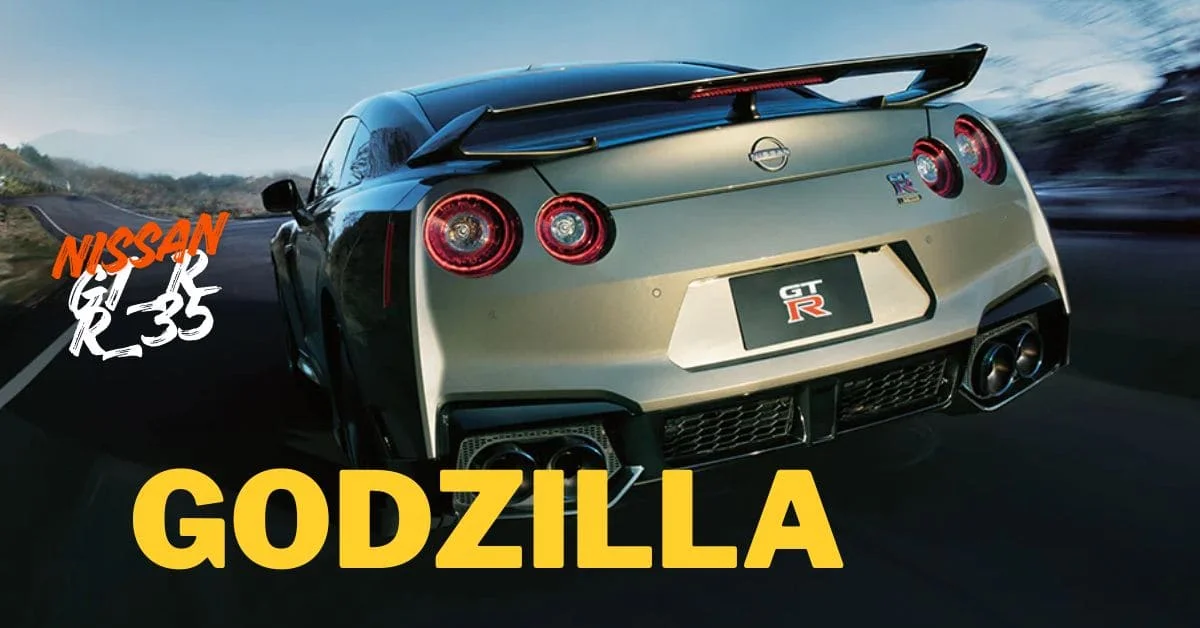
Nissan GT-R R-35
When people talk about legendary performance cars, one name instantly dominates every conversation — the Nissan GT‑R R-35. Known globally as “Godzilla,” the GT-R is not just another fast car. raw performance, reliability, and pure driving emotion.
Even in 2026, after nearly two decades of dominance, the R35 GT-R continues to be one of the most loved and respected cars in automotive history. From street racers and YouTubers to professional racers and collectors, everyone admires the GT-R for one simple reason: it delivers supercar performance without supercar limitations.
The GT-R has defeated Ferraris, Lamborghinis, and Porsches on racetracks while costing far less than most European supercars. That achievement alone made it a global icon. But the love for the R35 goes far deeper than speed numbers.
The Birth of a Legend
The R35 GT-R was officially launched in 2007 by Nissan as the successor to the legendary Skyline GT-R models. Unlike previous generations, the R35 dropped the “Skyline” name and became its own identity.
From the moment it arrived, the automotive world was shocked. The GT-R offered breathtaking acceleration, advanced all-wheel-drive technology, and race-car-level handling at a price much lower than European competitors. It completely changed the sports car market.
The car quickly earned the nickname “Godzilla” because it destroyed rivals on both roads and racetracks. Even today, enthusiasts still use that nickname with pride.
A Design That Still Looks Futuristic
One major reason why the R35 remains loved in 2026 is its timeless design. While many sports cars become outdated after a few years, the GT-R still looks aggressive, muscular, and futuristic.
The wide body, sharp LED headlights, iconic quad circular taillights, massive air vents, and aerodynamic profile give it a road presence unlike anything else. The design perfectly balances elegance and aggression.
Unlike flashy exotic cars, the GT-R looks purposeful. Every line and every vent exists for performance. It is a machine built to dominate.
Even after multiple facelifts over the years, the core identity of the R35 remained unchanged. That consistency helped create one of the most recognizable silhouettes in automotive history.
The Heart of the Beast: VR38DETT Engine
The biggest reason people worship the GT-R is its incredible engine.
Under the hood sits the legendary 3.8-liter twin-turbocharged V6 engine called the VR38DETT. Every engine was hand-built by specialized Takumi master technicians in Japan. That level of craftsmanship made the GT-R feel special from day one.
The engine produced monstrous power throughout its lifetime:
- Early models: around 480 horsepower
- Later versions: over 565 horsepower
- NISMO variants: around 600 horsepower
The performance figures were unbelievable for its price range. The GT-R could launch from 0–100 km/h in under 3 seconds, competing directly with million-dollar supercars.
What made the GT-R even more special was how easily it could be modified. Many owners pushed the car beyond 1000 horsepower with upgrades while still maintaining impressive reliability.
That tuning potential created one of the largest enthusiast communities in the world.
Supercar Killer Reputation
The R35 GT-R became famous because it embarrassed much more expensive cars.
When the GT-R started beating Ferraris, Lamborghinis, and Porsches on racetracks, the automotive industry could not believe it. A “Nissan” outperforming exotic supercars felt impossible at the time.
But the GT-R proved that performance matters more than badges.
Many automotive journalists described the GT-R as a “supercar killer” because it offered similar or better performance for half the price.
This reputation made the GT-R a hero among car enthusiasts.
Advanced Technology Ahead of Its Time
The R35 was years ahead of competitors in terms of technology.
It featured an advanced ATTESA E-TS all-wheel-drive system, launch control, dual-clutch transmission, adaptive suspension, and real-time performance monitoring. The car constantly adjusted itself to maximize grip and speed.
The center display inside the GT-R became iconic because it showed live performance data like:
- Turbo boost pressure
- G-forces
- Lap times
- Oil temperatures
- Throttle position
This racing-inspired technology made drivers feel connected to the car like never before.
Even in 2026, many modern sports cars still struggle to deliver the same raw and engaging driving experience.
Everyday Usability
Unlike many supercars, the GT-R was practical.
That is one of the biggest reasons why owners love it so much.
You could drive the GT-R daily without constantly worrying about reliability, comfort, or maintenance. It had usable rear seats, decent luggage space, air conditioning, infotainment features, and excellent visibility.
The GT-R could comfortably handle:
- Daily commuting
- Long highway drives
- Weekend track racing
- Road trips
- City traffic
Very few supercars offer that level of versatility.
Owners often say the GT-R feels like two cars in one:
- A comfortable grand tourer during normal driving
- A monster race machine when pushed hard
That dual personality made the GT-R incredibly special.
Massive Global Fan Following
The GT-R has one of the most passionate fanbases in automotive culture.
From Japan and the United States to India, Dubai, and Europe, GT-R fans exist everywhere. Social media helped increase its popularity even more.
YouTube channels, Instagram pages, car meets, gaming communities, and racing events constantly celebrate the GT-R.
The car became especially famous because of:
- Street racing culture
- Video games like Gran Turismo and Need for Speed
- Hollywood movies
- Car modification culture
- Drag racing events
For many enthusiasts, owning a GT-R became a dream.
The Influence of Movies and Gaming
The GT-R became a pop culture icon.
The earlier Skyline GT-R models gained massive fame through the Fast & Furious franchise, especially with Paul Walker driving the R34 Skyline.
That popularity transferred to the R35 generation as well.
In racing games, the GT-R was often one of the fastest and most customizable cars. Millions of gamers grew up racing the GT-R virtually before seeing it in real life.
This emotional connection helped create lifelong fans around the world.
Reliability That Shocked the World
One of the biggest reasons enthusiasts love the GT-R is reliability.
Most supercars are expensive to maintain and often spend more time in workshops than on roads. But the GT-R changed that perception.
The VR38 engine became famous for handling massive power upgrades while remaining dependable. Many owners pushed their cars to 700, 800, or even 1000 horsepower.
That reliability gave owners confidence to truly enjoy the car instead of fearing repair bills.
This is extremely rare in the supercar world.
The Emotional Sound and Driving Feel
The GT-R may be packed with technology, but it still feels emotional.
The roar of the twin-turbo V6 engine, the turbo whistle, the explosive acceleration, and the aggressive gear shifts create an unforgettable experience.
Driving a GT-R feels intense and dramatic. The car grips the road like a fighter jet taking off from a runway.
Even in 2026, many enthusiasts believe the R35 delivers a more exciting experience than modern electric performance cars.
A Collector’s Dream in 2026
Now that production has officially ended, the R35 GT-R has become even more desirable.
Collectors around the world are searching for:
- Low-mileage examples
- Rare editions
- NISMO variants
- T-Spec models
- Special anniversary editions
Many experts believe clean R35 models will continue increasing in value because they represent the end of an era — a high-performance gasoline-powered monster with real mechanical emotion.
For many enthusiasts, the R35 is the last truly raw GT-R before future hybrid or electric successors arrive.
Also read: New Jetour T2 India Launch 2026: The Rugged Lifestyle SUV Set to Redefine the Segment
Why the World Still Loves the GT-R in 2026
The GT-R is loved because it represents something rare:
- Pure performance
- Engineering excellence
- Reliability
- Accessibility
- Emotion
- Legacy
It is not just a car; it is an experience.
The R35 proved that you do not need a Ferrari badge to build a world-class performance machine. It earned respect through results, not luxury branding.
Even after nearly 20 years, the GT-R still feels special every time it starts, accelerates, or appears on the road.
That is why the world continues to love the Nissan GT‑R R35 in 2026.
It is more than a sports car.
It is a legend.